Congolese celebrate century of God’s faithfulness
By Lynda Hollinger-Janzen Mennonite Mission Network
TSHIKAPA, Congo — About 50 young musicians walked nearly 100 miles carrying their drums, luggage and a few babies to attend the centennial celebration of
Communauté Mennonite au Congo (CMCO, Mennonite Community in Congo) July 16-22.
For a week, the choir members from Ndjoko Punda, one of the first Mennonite mission stations in this central African country, traveled along rugged paths through forests and savannas, crossing rivers on makeshift bridges and spending nights in schoolrooms.
Chorale Grand Tam-Tam (Big Drum Chorale) arrived in Tshikapa, the headquarters of this Mennonite denomination, to lead Mennonites from three continents in praise for “100 years of evangelization and cultural encounters,” the CMCO tagline for the occasion.
In his historical overview of Mennonite history in Congo, the CMCO president, Adolphe Komuesa Kalunga, named weaknesses and failures in the missionary approach of those who came to Congo through Africa Inter-Mennonite Mission and its predecessor agencies: paternalism, a heavy focus on the spiritual with less concern for conditions that oppressed the Congolese people and a reluctance to trust the Congolese church with financial management.
However, Komuesa also acknowledged with gratitude these same missionaries, hundreds of them, who were faithful to God’s call to share the good news of Jesus — braving sickness, a harsh climate, difficult living conditions and political instability.
Some died of illness while serving. Komuesa asked the gathered assembly to stand for a moment of silence to remember all the Mennonites who sacrificed their lives in obedience to Christ’s call.
“I salute those missionaries who gave of their youth and their lives for our country,” Komuesa said in his concluding address. “I also render homage to their descendants who are still laboring for the welfare of our church. Let all of them know how grateful we are.”
Missionary accomplishments were only possible because Congolese people worked hand-in-hand with their brothers and sisters from North America, Komuesa said.
Today, CMCO is a member of AIMM, which brings together eight partner agencies.
About 400 participants gathered for the final worship service July 22. Many held candles in celebration of CMCO’s birthday.


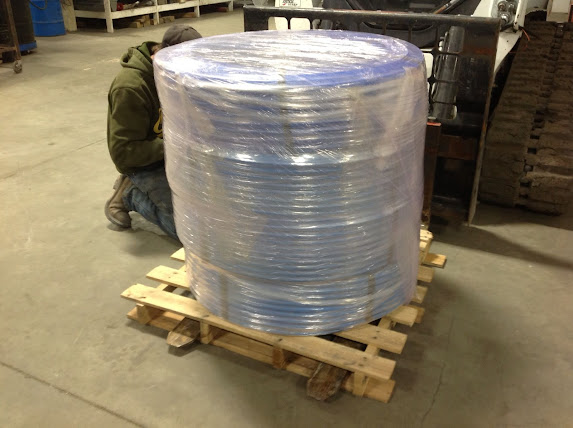 DHL shipment sent from Wichita Kansas included 2000 feet of pipe, ram pump, pipe fittings and miscelaneious supplies to finish water project at Ndjoko Punda. Pray that we can get it through customs without additional monies.
 Hope 4 Congo

You must be logged in to post a comment.