Whenever possible, we here at Hope 4 Congo, like to support other ministries in the Congo by posting information about them here on our site. With that in mind the following post for the African Medical Alliance is from our contact Ron Brown. He and his colleagues are in Congo right now.
African Medical Alliance February 2015 Newsletter
Meet our AMA Colleagues
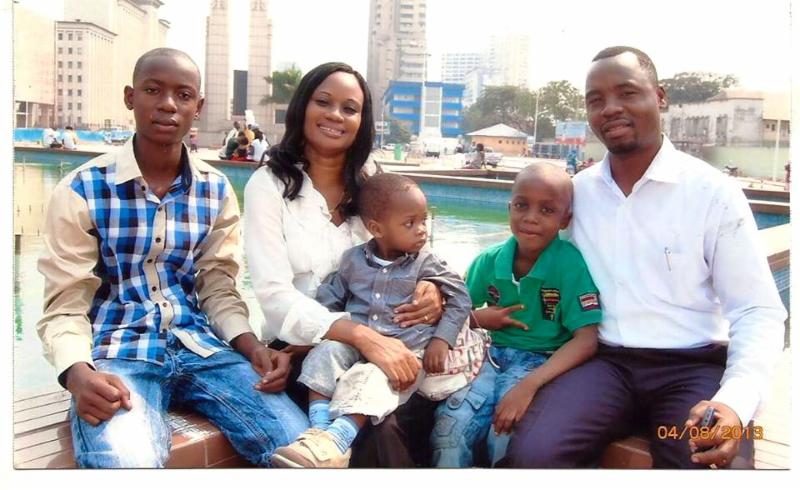
Dr. Narcisse Naia Embeke, a physician with more than ten years of experience in primary care, is the Child Health Senior Technical Advisor for the Integrated Health Project in the Democratic Republic of Congo (DRC-IHP).
He has worked alongside the Congolese Ministry of Health to support and scale up child survival programs. He was a key player in the reintroduction of vaccines to the health zone of Tandala. Based in Kinshasa, Dr. Embeke previously served as the health advisor for Management Sciences for Health’s Leadership, Management, and Sustainability (LMS) project. Prior to his work with MSH, Dr. Embeke was the medical coordinator for the Church of Christ in Congo (l’Eglise du Christ au Congo/ECC) and the primary care physician for the public health non-profit ACS/AMO Congo caring for orphans and vulnerable children. Dr. Narcisse plays an important role in arranging networking opportunities for AMA President, Dr. David Strycker, in the capital city of Kinshasa, DRC.
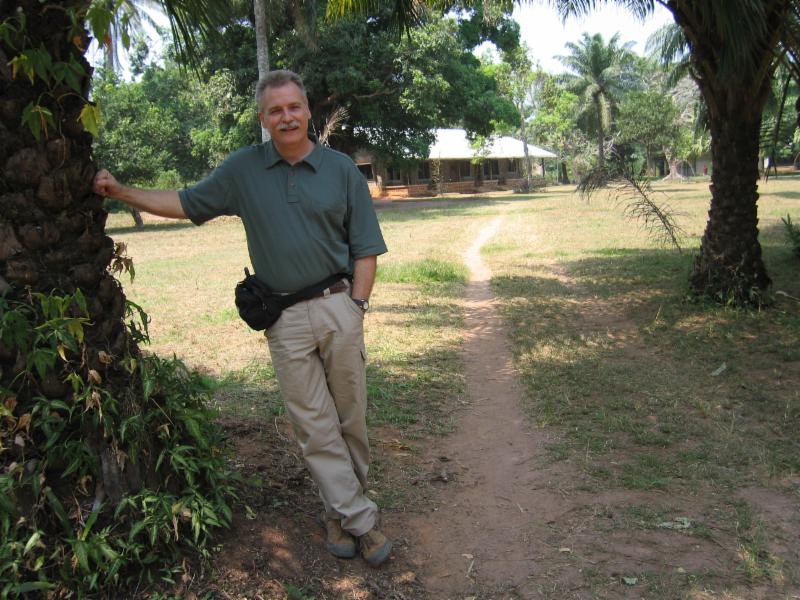
Rod Brown is retired from a career in business with experience in project management, business development and marketing with a particular focus on strategic alliances. Rod is a certified volunteer chaplain in a medium security facility in Kentucky and has served in prison ministry in the United States, Nicaragua and Africa for the past 18 years. Rod’s parents were missionaries in the Kasai Province of the Democratic Republic of the Congo (DRC) and he lived there in the early 1960’s, shortly after independence. Rod served on the mission field in Nicaragua with Nicaraguan Prison Ministry, Inc (NPMI), an organization he helped initiate in 2001. He also served in Kenya and the DRC with Wycliffe Associates. Rod is a founding member of Parkway Baptist Church in Bardstown, KY where he teaches and is active in missions and other ministries.
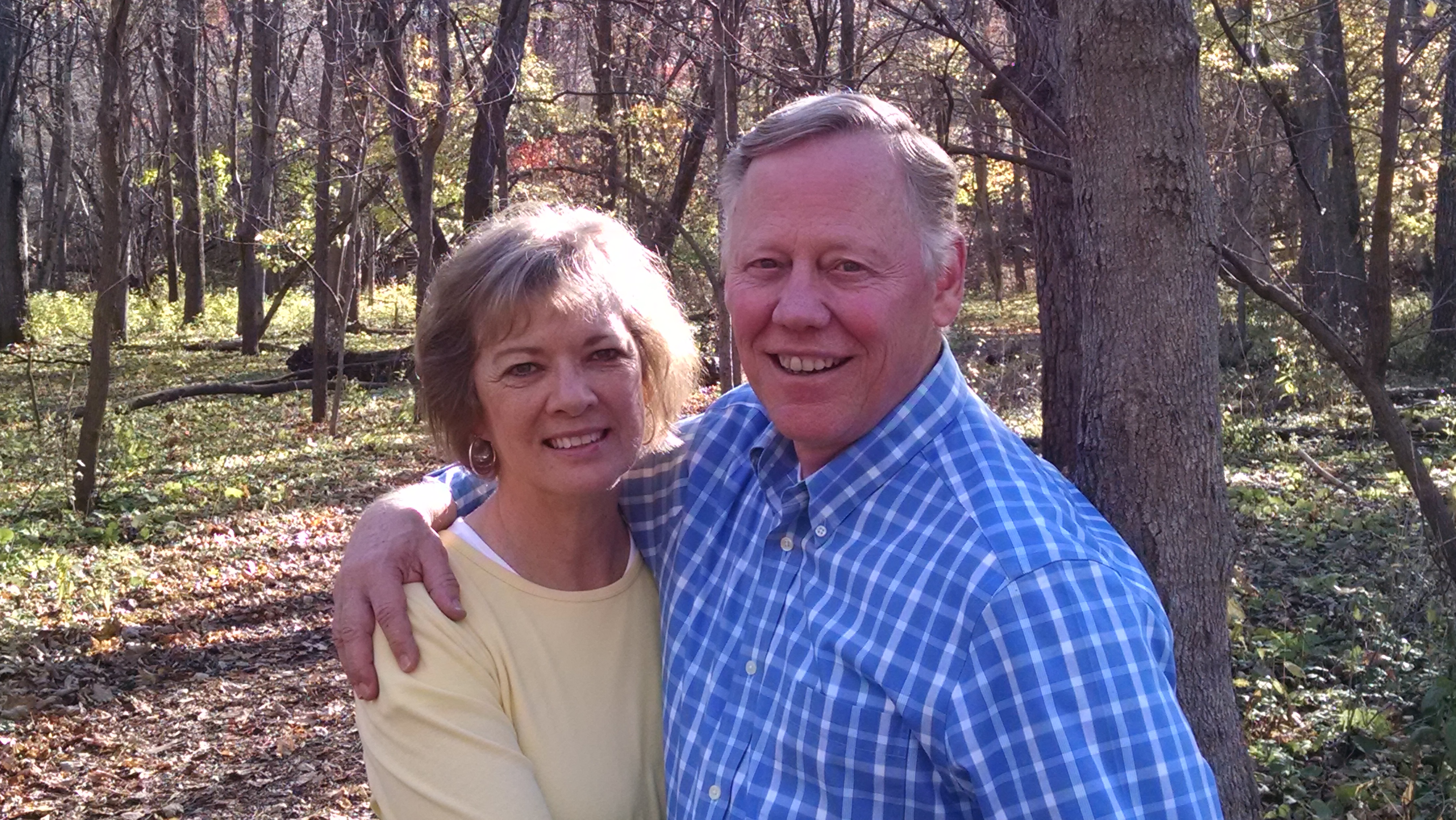
Dave Oothoudt lives on the Oothoudt family farmstead in southern Minnesota where
he is self-employed as a cabinet maker. He has a long history as a lay leader in his local church, and can often be found creatively teaching others about his faith in Christ. Dave traveled to the Democratic Republic of Congo (DRC) for the first time in 2008 with a small group of health professionals from his church. Drawing from both of his backgrounds as a licensed psychologist and as a church lay leader, Dave accepted the invitation of the local Congolese church to present seminars to Bible Institute students and their spouses. In 2010 and 2013, Dave was again invited to teach, focusing on training trauma counseling to pastors following a devastating, deadly uprising in the region of Sud-Ubangi, DRC. His seminars in training counseling methodology to pastors, students, and lay leaders have become very well attended in recent years, including in the capital city of Kinshasa, under the auspices of ReachAfrica.
These colleagues along with Dr. David Strycker will be working in DRC March 17 – April 18, 2015. Meetings are scheduled in Kinshasa with:
World Health Organization
UNICEF
Inter-church Medical Agency
DRC Ministry of Health
Biamba Mutombo Hospital
Protestant University Medical School
University of Kinshasa Medical School
Counseling training seminar
Equateur Province, DRC
Assessments of Tandala and Karawa Hospitals
Meetings with church leaders in the regional city of Gemena
For more information please go to their website. http://africanmedicalalliance.com/
 Hope 4 Congo
You must be logged in to post a comment.